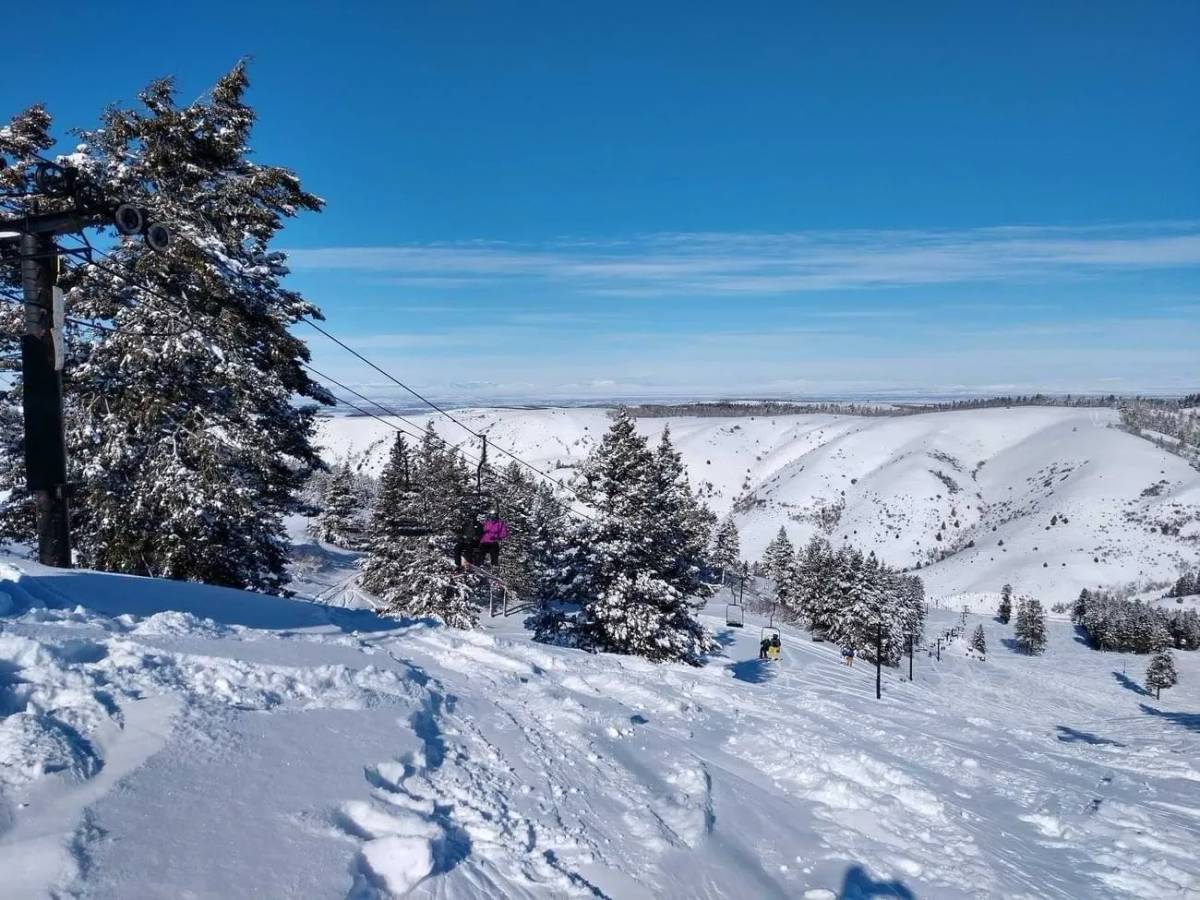
Kelly Canyon
740 acres, 51 runs near Idaho Falls. No expert terrain, night skiing, family-friendly since 1957.

Current Conditions→
Season 2026 - 2027
Opens
4 Dec 2026
Closes
14 Mar 2027
Days open
100
Annual snow
200in
The Overview
Michael Fulton
Melbourne-based skier and snowboarder with 50+ resorts across 5 continents. Specialises in Australian resorts and international resort comparisons.
Kelly Canyon's summit reaches 6,601 feet, dropping 1,001 vertical feet to a base at 5,600 feet across 51 runs spread over 740 acres near Idaho Falls, Idaho. Terrain splits 45 per cent intermediate, 35 per cent beginner and 20 per cent advanced, with no expert-rated runs. Average annual snowfall is a modest 200 inches, and the resort carries no major multi-resort pass affiliation. Five lifts, including four double chairs and one surface lift, serve the mountain.
The absence of expert terrain and heavy beginner-to-intermediate weighting give Kelly Canyon a clear identity as a family and learning mountain for eastern Idaho. Night skiing is a significant part of its offering, extending the ski day for the nearby Idaho Falls population. The double-chair-dominant lift network reflects the resort's mid-sized, community-focused scale rather than destination-resort ambitions.
Kelly Canyon was established in 1957 by a local investor group led by E. Bud Johnson, in a canyon originally known as Cedar Creek before being renamed for John Kelly, an early figure in the area's skiing history. The resort relied heavily on community support and local investment through lean economic periods, preserving its family-oriented character even as larger regional resorts expanded around it.
Ownership transitioned in 2020 to Kelly Canyon Winter Park LLC under managing partner Mike VanSteenkiste, bringing renewed investment into facilities and a diversification into summer activities such as mountain biking. Snowmaking capability was added in 2022 to supplement the resort's natural snowfall. Adult daily tickets run from 99 to 119 US dollars, with a Family Season Pass from 1,899 dollars, positioning Kelly Canyon as an affordable, close-to-home option for eastern Idaho families.
1,001ft
Vertical
51
Runs
740 acres
Skiable
200in
Annual snow
The Terrain
51 runs across 740 acres skiable
Kelly Canyon is a compact local hill near Ririe and Idaho Falls, with 51 runs on about 740 acres (299 hectares) of the Caribou-Targhee National Forest. The base sits at 5,600 feet (1,707 m) and the summit at 6,600 feet (2,012 m), a vertical of around 1,000 feet (305 m). Intermediates take 45% of the trails, beginners 35% and advanced skiers 20%, with no expert terrain classified. Four double chairs and a surface lift move skiers, so lift rides are unhurried. Expect a friendly, mid-sized hill and not a steep, high-alpine challenge.
Gentle green and blue runs fall away from the double chairs, giving learners and families plenty of room to build confidence, while the advanced runs offer a bit of pitch for stronger skiers. Several terrain parks sit across the hill, and a tubing park adds a non-ski option for groups. The main runs are lit for night skiing several evenings a week, which is the draw for locals finishing work in Idaho Falls. Kelly Canyon suits beginners, young families and intermediates after an easy, affordable day close to town.
Terrain split
51
runs
51 runs across 4 grades
Beginner18 runs · 35%
Intermediate23 runs · 45%
Advanced10 runs · 20%
Expert0 runs · 0%
Time it right
When to visit Kelly Canyon
The 2025-26 season at Kelly Canyon ran from 27 November 2025 to 29 March 2026, a roughly seventeen-week season. The resort's modest average annual snowfall of 200 inches means the addition of snowmaking capability in 2022 has become an increasingly important part of maintaining reliable conditions throughout the season. Season dates can shift depending on early and late-season weather.
Midwinter, from December through February, typically offers the most consistent conditions once natural snowpack and snowmaking combine to build a solid base. Night skiing extends availability for the nearby Idaho Falls population well beyond standard daylight hours, a significant part of the resort's identity as a community mountain. Weekday evenings and off-peak periods tend to be noticeably quieter than weekends.
As a family and learning-focused resort with no expert terrain, Kelly Canyon's calendar centres on ski school and youth programming rather than festival-style events. The Family Season Pass pricing structure reflects this focus, with the resort positioned as an accessible option for eastern Idaho households. School holiday periods bring the heaviest visitation given the beginner and intermediate-weighted terrain mix.
Specific event programming beyond standard operations and night skiing is not confirmed in available resort information. Since the 2020 ownership change, the addition of summer mountain biking has extended the resort's operating season beyond winter alone. The combination of snowmaking and natural snowfall since 2022 has helped stabilise the length and reliability of the winter season.
Season 2026 - 2027
4 Dec 2026
Opens
14 Mar 2027
Closes
100
Days open
200 in
Annual snow
Getting there
Getting to Kelly Canyon, and where to stay
Kelly Canyon sits near Idaho Falls in eastern Idaho, with a base elevation of 5,600 feet and a summit at 6,601 feet across a 1,001-foot vertical drop over 740 acres. The resort's location places it within easy reach of the Idaho Falls metropolitan area, making it the primary local ski hill for the region's residents.
Idaho Falls is the nearest significant town, offering lodging, dining and services for visitors, with most Kelly Canyon skiers day-tripping from the city rather than staying at the resort itself. The surrounding eastern Idaho region includes agricultural communities and the broader upper Snake River valley, with skiing as one part of a varied outdoor recreation scene that also includes the nearby Caribou-Targhee National Forest.
Local roads connect Idaho Falls to Kelly Canyon, with the drive typically taking well under an hour depending on starting point within the metropolitan area. Winter driving conditions on the approach roads can include snow and ice, though the routes are well used given the resort's role as the area's primary local mountain. There is no direct public transport service to the resort.
Idaho Falls Regional Airport is the nearest airport with commercial service, offering a practical option for visitors flying in rather than driving from further afield. Most Kelly Canyon visitors, however, are eastern Idaho locals rather than fly-in travellers, given the resort's identity as a community mountain rather than a destination resort. No other regional airport offers a closer or more direct option.
Where to stay
Search all stays →Stays map loads when you scroll here
Hotels and lodges near Kelly Canyon, powered by Stay22.
Latest News
From the SnowStash desk
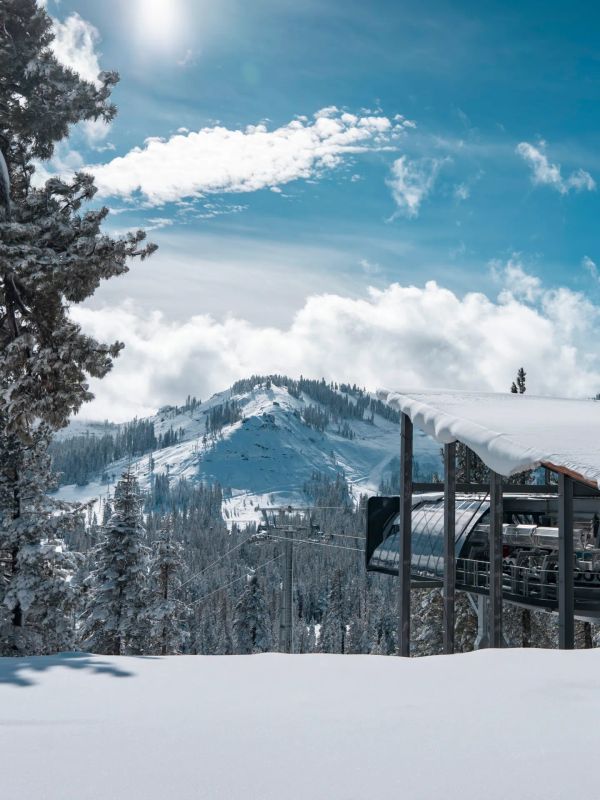
Sugar Bowl Gondola Slips to January 2027 as Opening Day Holds
Sugar Bowl still opens on 27 November, just without its new gondola. The eight-passenger Village Gondola is now targeting January 2027, with all eight towers up, the haul rope on and the first cabin hanging. Until it runs, everyone gets in through the Main Lodge, with curbside drop-off and parking lot shuttles. It replaces the first gondola in the western US, which dates from 1953.
16 Nov 2026
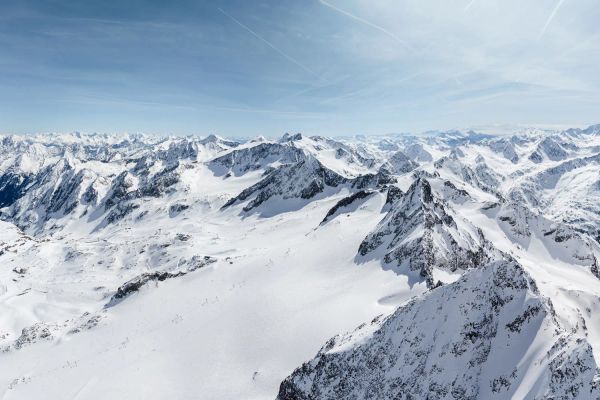
Stubai Glacier Avalanche Ends in Austria’s First Death of the Season
A 72-year-old American skier has died on Stubai Glacier after a small slab avalanche carried him over rocky ground and into a 20-metre crevasse. It is Austria’s first avalanche death of the 2026-27 season, and forecasters had flagged this exact setup two days earlier. Here is what happened near the Daunscharte, and what the snowpack was already telling anyone who was reading it.
15 Nov 2026
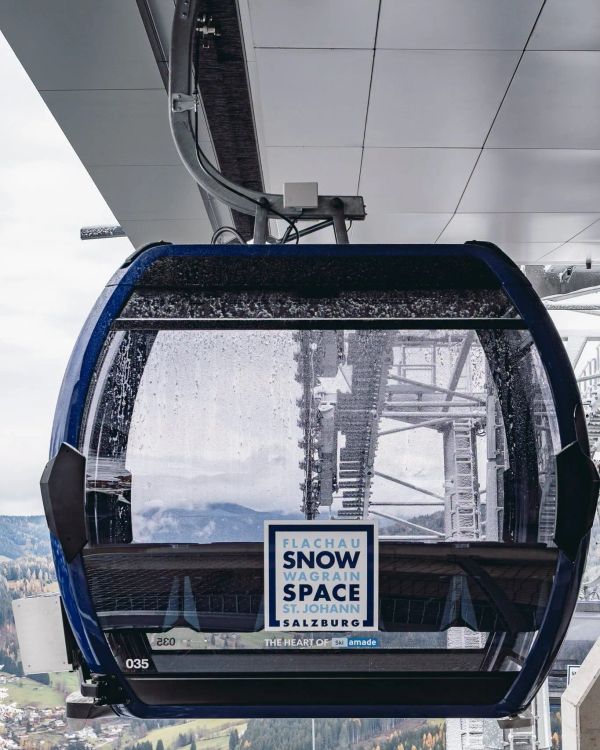
Wagrain’s New Grafenbergbahn Gondola Appears in First Photos
Wagrain’s new Grafenbergbahn is nearly here, and Snow Space Salzburg stamped “no AI” on the first photos, which says plenty about 2026. One 10-person gondola takes over from three old lifts, with 120 cabins moving up to 3,400 people an hour and a mid-station link into the G-Link. Dark blue cabins, fresh snow, no opening date yet.
14 Nov 2026
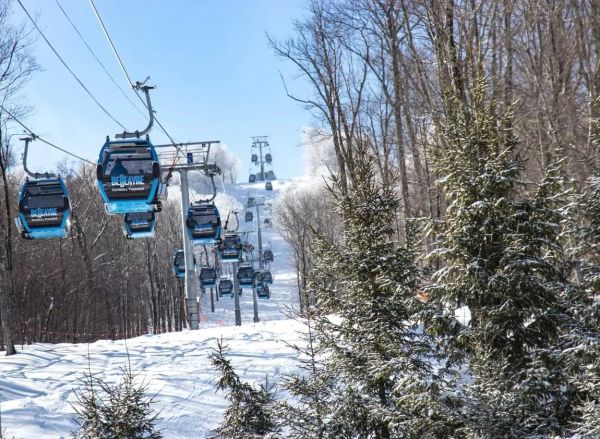
Indy Pass Adds 10 Alpine and 5 Nordic Partners for 2026-27
Indy Pass just got bigger. On 12 November it announced 10 new alpine resorts and 5 Nordic centres for 2026-27, including four in Norway and one in Austria. Three New York State mountains - Whiteface, Gore and Belleayre - also signed on to its Allied Program, with discounted tickets rather than included days. Waitlisted customers are being offered passes, and Learn to Turn news is due this week. Full list inside.
13 Nov 2026
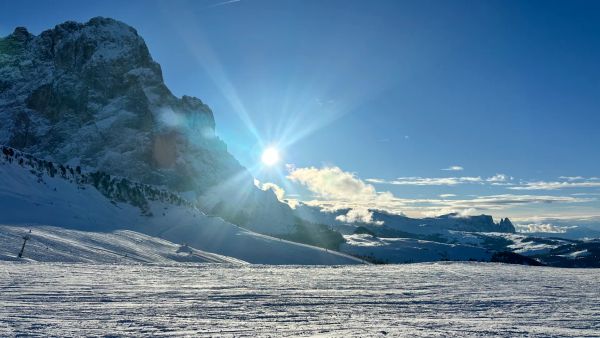
Val Gardena to Alpe di Siusi Lift Link Back in Play After Court Ruling
The Val Gardena-Alpe di Siusi lift link isn’t dead after all. A South Tyrol court has overturned Santa Cristina’s rejection of the new Monte Pana-Saltria link on procedural grounds, after the council skipped required public information sessions. Opponents want the missing sessions held and a fresh vote, and nothing has been approved. For now it’s still a bus between the two, but a plan first floated in 2017 is back in the conversation.
8 Nov 2026
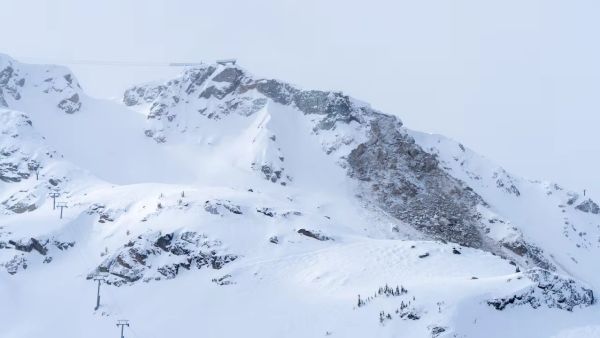
Whistler Blackcomb Rockslide Zone Stays Closed Through 2026-27 Season
A section of Whistler Peak terrain will stay closed all 2026-27 season, Vail Resorts has confirmed, with rockslide mitigation work continuing into summer 2027. Peak Express is still expected to run this winter, but locals are already arguing about what’s actually off limits, whether the Whistler Bowl is gone, and why the news landed after pass sales wound down. Here’s where things stand.
7 Nov 2026
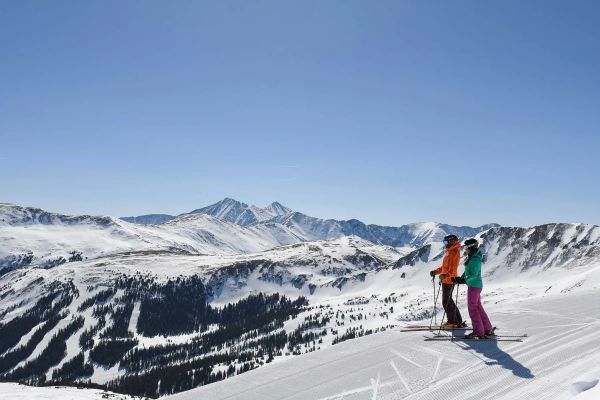
Loveland Ski Area Opens for 2026-27 and Marks 60 Years of Snowmaking
Loveland is open. The Colorado ski area started Chet’s Dream turning on Saturday 7 November to kick off 2026-27, with $60 adult lift tickets to mark 60 years of snowmaking. Expect three runs, nearly 1,000 vertical feet (about 300 metres) of top-to-bottom skiing, live music on the Basin Patio and no beginner terrain yet. Here’s what’s open, what it costs and when Loveland Valley follows.
7 Nov 2026
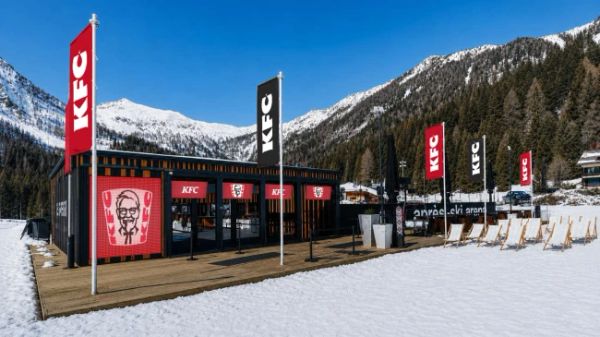
KFC Is Coming to the Slopes at Cortina and Madonna di Campiglio
Fried chicken is heading up the Dolomites. From 5 December KFC will run two restaurants on the slopes - one at 2,123 metres at Cortina, one at 1,700 metres at Madonna di Campiglio - and the polenta-and-canederli crowd has opinions. Local politicians, conservation groups and plenty of Facebook commenters are calling it a step too far, while others just want a cheaper lunch. Here’s what’s on the menu and what’s the fuss.
5 Nov 2026
Kelly Canyon Webcams
3 live angles across the mountain. Tap any camera to go full-screen.
About Kelly Canyon's live webcams
Check live conditions across Kelly Canyon with 3 real-time webcams showing snow, weather, and lift operations, updated every 10 minutes. Check high-elevation cams for powder visibility and base-area cams for crowd levels before you head up.
Camera guide
- Gold Rush6,348ft
- Experience Eastern Idaho's premier family ski destination through this elevated Kelly Canyon webcam perched at 1935 meters at the summit of the double chairlift. This Kelly Canyon live cam offers a sweeping downhill perspective across the resort's most popular trails, revealing current snow coverage and visibility conditions in real-time. Perfect for planning your family ski adventure, this Kelly Canyon web cam showcases snow quality across all 51 runs at this beloved local mountain, helping you time your visit for optimal skiing conditions just minutes from Idaho Falls.
- Lost Treasure5,597ft
- Capture the heartbeat of Idaho's favorite family ski destination through this essential Kelly Canyon webcam positioned at the base area at 1706 meters elevation. Mounted strategically on the double chair terminal roof, this Kelly Canyon live cam provides immediate snapshots of current mountain conditions where all the skiing action begins. Monitor morning arrival patterns, snow quality, and lift operations in real-time through this Kelly Canyon web cam, ensuring you maximize every moment on this charming 740-acre mountain playground that's become Eastern Idaho's go-to winter destination.
- Magic Carpet5,597ft
- Witness the magic of first skiing experiences through this heartwarming Kelly Canyon webcam focused on the learning area at 1706 meters elevation. Overlooking the resort's dedicated beginner zone and magic carpet lift, this Kelly Canyon live cam offers parents and instructors perfect visibility of new skiers taking their first turns. Essential for families exploring Eastern Idaho's most welcoming winter destination, this live snow cam showcases Kelly Canyon's commitment to creating future generations of skiing enthusiasts in a supportive, affordable mountain environment.
Kelly Canyon snow cams FAQ
How often do Kelly Canyon snow cams update?
All Kelly Canyon snow cams and webcams update every 10 minutes with fresh images showing current mountain conditions. This frequent update schedule ensures you have access to near real-time conditions for planning your ski day at Kelly Canyon.
Which Kelly Canyon webcam shows the best powder conditions?
The high-elevation Gold Rush webcam at 1,935m provides the clearest view of powder conditions and snowfall. These Kelly Canyon webcams capture fresh snow accumulation and visibility better than base area cameras.
Can I see Kelly Canyon lift queues on the webcams?
Yes. Multiple Kelly Canyon snow cams specifically show lift queue areas and chairlift operations, helping you time your arrival and avoid peak queue periods.
When is the best time to check Kelly Canyon snow cams?
Check Kelly Canyon webcams early morning (7-8am) for overnight snowfall assessment, and mid-afternoon for current crowd levels and weather. The live cams are most useful after storm events to assess fresh powder.
How can I check current conditions before buying Kelly Canyon lift tickets?
Use our Kelly Canyon webcams alongside the live snow report to assess conditions before purchasing lift tickets. The webcams show real-time visibility, snow quality, and operational status.
Do Kelly Canyon webcams work on mobile devices?
Yes. All Kelly Canyon snow cams and webcams are optimized for mobile viewing, so you can check live conditions from anywhere using your phone or tablet.
More Kelly Canyon intelligence: snow report, lift tickets, trail map, resort overview.