Oregon, Usa
Mt Hood Meadows
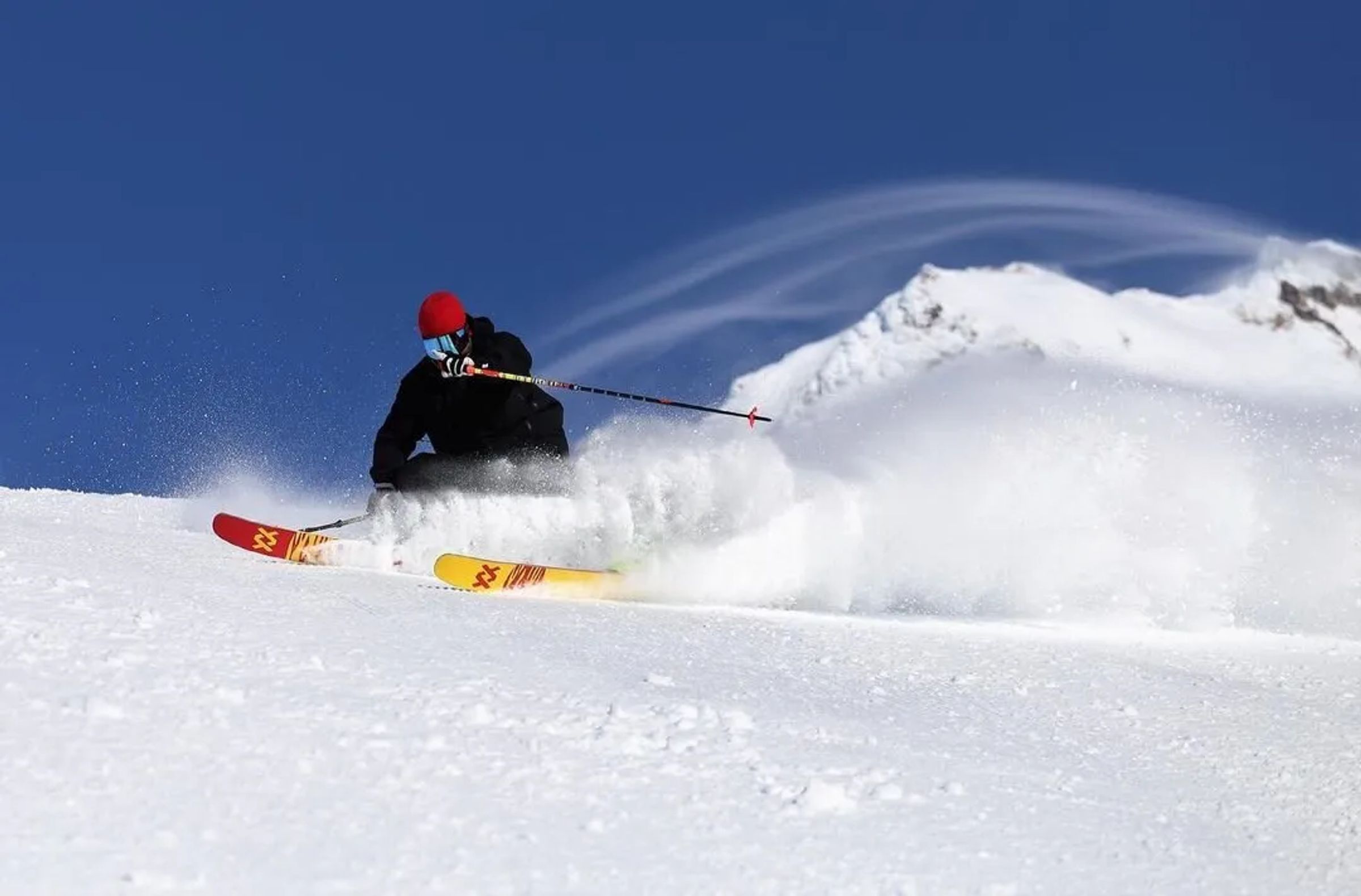
2,150 acres, 85 runs on Mount Hood. Largest of the mountain's resorts, an hour from Portland.
Season 2025 - 2026
Opens
12 Dec 2025
Closes
2 May 2026
Days open
141
Annual snow
38ft
The Overview
Michael Fulton
Melbourne-based skier and snowboarder with 50+ resorts across 5 continents. Specialises in Australian resorts and international resort comparisons.
Mt Hood Meadows' summit reaches 7,300 feet, dropping 2,776 vertical feet to a base at 4,524 feet across 85 runs spread over 2,150 acres on the southeastern face of Mount Hood, Oregon. Terrain splits 50 per cent intermediate, 20 per cent advanced, 15 per cent expert and 15 per cent beginner, with average annual snowfall of roughly 454 inches. The resort operates independently without major multi-resort pass affiliation and is the largest of Mount Hood's several ski areas. Twelve lifts, including seven quad chairs and four double chairs, serve the mountain alongside one surface lift.
Mt Hood Meadows' 2,150-acre footprint makes it substantially larger than the mountain's other ski areas, giving it the most varied terrain on Mount Hood's slopes, from open alpine meadows to timbered runs. Its exceptional snowfall total, exceeding 450 inches annually, ranks among the highest of any resort in the contiguous United States. The resort's independent operation, without a major destination pass, has kept its focus on the Portland metropolitan area's day-trip skier base.
In 1964, the US Forest Service began a feasibility study for a new ski area on Mount Hood's eastern side, with a group of Hood River businessmen incorporated as Hood River Meadows, Inc. raising 3,500 US dollars to help finance the study. Local businessman Franklin G. Drake became captivated by the site after a 1966 Forest Service prospectus caught his eye, drawn by the terrain's variety, its alpine meadows and its expanses above the treeline.
Skiers began using the resort, named Mount Hood Meadows, in December 1967, with one of two original lifts opening in January 1968. In 2001, Mt Hood Meadows purchased the nearby Cooper Spur Ski Area, expanding the company's presence on the mountain. Adult daily tickets run from 99 to 149 US dollars using dynamic pricing, with a season pass at 1,139 dollars.
2,776ft
Vertical
85
Runs
2,150 acres
Skiable
38ft
Annual snow
The Terrain
85 runs across 2,150 acres skiable
Mt Hood Meadows spreads 85 runs across 2,150 acres skiable of terrain. It leans intermediate at 50%, with 13 beginner runs to find your feet and 30 advanced or expert runs when you want to push.
Terrain split
85
runs
85 runs across 4 grades
Beginner13 runs · 15%
Intermediate43 runs · 50%
Advanced17 runs · 20%
Expert13 runs · 15%
Time it right
When to visit Mt Hood Meadows
The 2025-26 season at Mt Hood Meadows ran from 12 December 2025 to 2 May 2026, one of the longer seasons in the Pacific Northwest at roughly twenty weeks. Average annual snowfall of around 454 inches, among the highest totals of any resort in the contiguous United States, supports this extended operating window well into spring. Season dates can shift depending on early and late-season weather.
Midwinter, from December through February, typically brings the most consistent conditions across the resort's varied terrain. As Portland's premier mountain resort, Mt Hood Meadows draws heavy weekend traffic from the metropolitan area, roughly an hour's drive away, with holiday periods bringing particularly heavy crowds. Weekday visits generally remain considerably calmer.
The resort's dynamic pricing structure rewards advance booking, a pricing approach that has become increasingly common across the industry. Given the resort's independent operation without major destination pass affiliation, its visitor base skews heavily toward the Portland metropolitan area rather than national destination traffic. School holiday periods and spring break bring particularly strong demand given the resort's late-season snow reliability.
Specific event programming beyond standard operations is not confirmed in available resort information. The 2001 purchase of Cooper Spur Ski Area expanded the company's presence on Mount Hood without altering the core Mt Hood Meadows operation itself. The resort's status as the largest of Mount Hood's ski areas, combined with its exceptional snowfall, continues to define its identity as the mountain's primary destination through the season.
Season 2025 - 2026
12 Dec 2025
Opens
2 May 2026
Closes
141
Days open
38 ft
Annual snow
Getting there
Getting to Mt Hood Meadows, and where to stay
Mt Hood Meadows sits on the southeastern face of Mount Hood, Oregon's highest peak, with a base elevation of 4,524 feet and a summit at 7,300 feet across a 2,776-foot vertical drop over 2,150 acres. This places the resort within the Mt. Hood National Forest, roughly an hour's drive from the Portland metropolitan area.
The town of Hood River, known for its wine country and outdoor recreation along the Columbia River Gorge, lies to the north, while Government Camp offers closer lodging on the mountain's southern side. Portland, Oregon's largest city, supplies the majority of the resort's weekend and day-trip visitor base given the relatively short drive. The broader Mount Hood corridor includes several other ski areas alongside Meadows.
US Route 26 and Oregon State Route 35 provide the main routes to Mt Hood Meadows from Portland and Hood River respectively, both climbing into the mountain's forested slopes. Winter driving conditions on these routes can include snow and ice, and chains or traction tyres are often required during storms. There is no direct public transport service to the resort, though seasonal shuttle options operate from the Portland area.
Portland International Airport is the nearest airport with extensive commercial service, roughly 90 minutes from the resort depending on conditions. This makes Mt Hood Meadows readily accessible for visitors flying into Oregon's largest city, reinforcing its role as Portland's primary mountain resort despite its independent, non-destination-pass operation.
Where to stay
Search all stays →Hotels and lodges near Mt Hood Meadows, powered by Stay22.
Good to know
Frequently asked
When is Mt Hood Meadows's ski season?
Mt Hood Meadows's season typically runs from December 12 to May 2, roughly 141 days, weather and conditions permitting.
How much skiable terrain does Mt Hood Meadows have?
Mt Hood Meadows has about 2,150 acres skiable across 85 runs.
How many lifts does Mt Hood Meadows have?
Mt Hood Meadows operates 12 lifts in total.
How much snow does Mt Hood Meadows get?
Mt Hood Meadows averages around 454 inches (37.8 feet) of snowfall per season.
Where can I buy Mt Hood Meadows lift tickets?
Lift tickets for Mt Hood Meadows can be purchased directly from the resort online, or in person at the ticket office. See the full pricing breakdown on the lift tickets page.
Latest News
From the SnowStash desk
Sundance Mountain Resort Is Getting a New High-Speed Quad and More Back Mountain Terrain This Winter
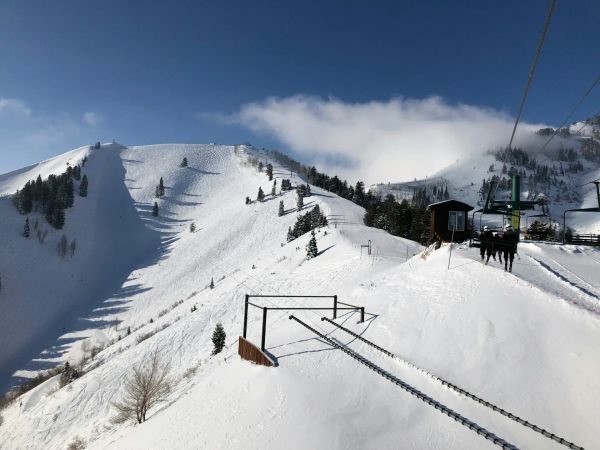
Sundance Mountain Resort's back mountain is finally getting a proper lift. The Electric Horseman Express opens for 2026-27, unlocking a new bowl next to Bishop's Bowl and three expert gladed chutes across roughly 105 fresh acres - on top of the Storyteller ridge run that debuted in preview form last season. It's Sundance's biggest expansion since 1985, and it turns a three-lift slog into a single six-minute ride to Bearclaw Summit.
19 Aug 2026
Nassfeld Invests €13 Million in New 6-Seater Chairlift for 2026/27 Season
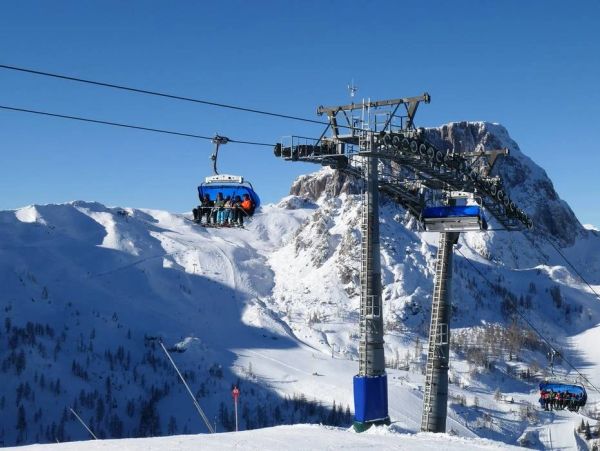
Nassfeld is putting €13 million into a new 6-seater chairlift, the Tressdorfer Almbahn, connecting Sonnleitn with the Tressdorfer Alm from December 2026. It replaces three ageing drag lifts and will run through summer too, from June 2027, moving up to 2,500 people an hour on the roughly three-minute ride. It's the latest step in Carinthia's largest ski resort building out a genuine year-round offering, following last year's Gartnerkofelbahn gondola.
17 Aug 2026
Stelvio Glacier Suspends Summer Skiing, Leaving Continental Europe Without a Lift-Served Slope
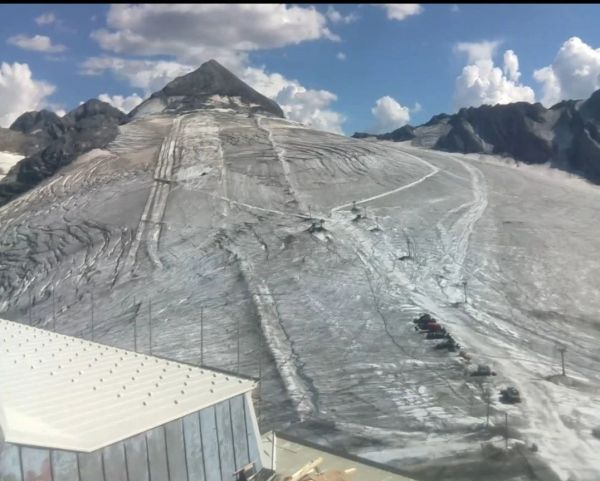
Italy's Stelvio Glacier has pulled the plug on summer skiing from August 15. It was the last lift-served ski option left standing in continental Europe, and now there's none. Operator SIFAS pointed to persistent heat, storms, and a snowpack that simply wasn't refreezing overnight anymore. The cable car keeps running. Whether skiing comes back later this summer depends on the weather turning - and right now, nobody's promising anything.
15 Aug 2026
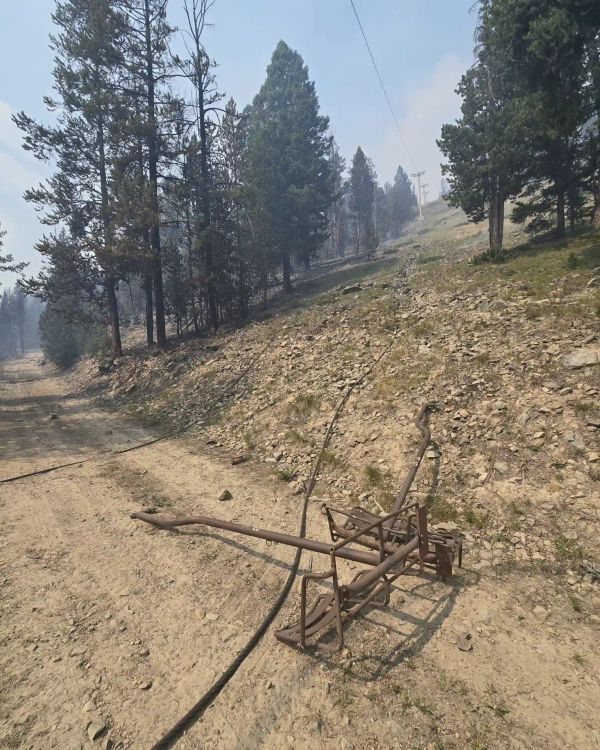
Maverick Mountain's Only Chairlift Destroyed as Sand Creek Fire Tears Through Montana Ski Area
Firefighters saved every base building at Maverick Mountain, Montana, but the resort's sole chairlift didn't survive the Sand Creek Fire. Owners Erik and Kristi Borge say the lift is "most likely" out for the 2026/27 season after flames tore through the mountain on August 8. The wildfire has since grown past 27,700 acres with zero percent containment. It's a gutting result for the tiny, one-lift operation near Dillon - though the lodge, groomers and equipment all made it through untouched.
15 Aug 2026
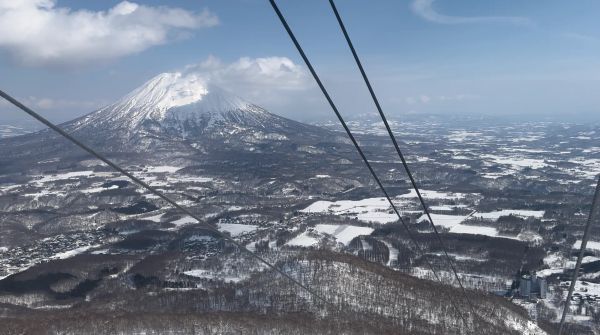
Fairmont Niseko: New Luxury Resort Revives Stalled La Plume Site for Early 2028 Opening
Fairmont is bringing its second Japanese property to Niseko, and this one's got history. The 165-room resort will rise on the site of the stalled La Plume project, which collapsed into bankruptcy in 2025 before J-Will Partners bought the site for redevelopment. Set between Mount Yotei and Mount Annupuri, it's slated for an early 2028 opening - putting it in play for the 2027/28 season. Expect two restaurants, a spa, onsen bathing, and a kids' club, a short drive from Niseko Village and Hirafu.
12 Aug 2026
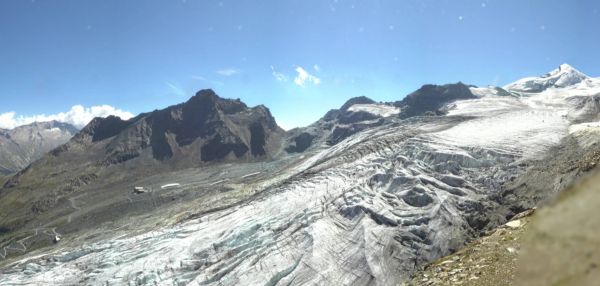
Saas-Fee Closes Its Glacier to Summer Skiing as Heat Wave Drags On
Saas-Fee is closing its glacier to summer skiing from Monday, August 10 - the second major Swiss resort to shut in under two weeks after Zermatt suspended operations on August 1. Persistent heat and warm nights that won't let the glacier refreeze are behind the call, per Saastal Bergbahnen. That leaves Italy's Stelvio as the only glacier ski area open in the Alps. Reopening could come as early as August 17, though nothing's confirmed - and racing teams are already looking south instead.
8 Aug 2026
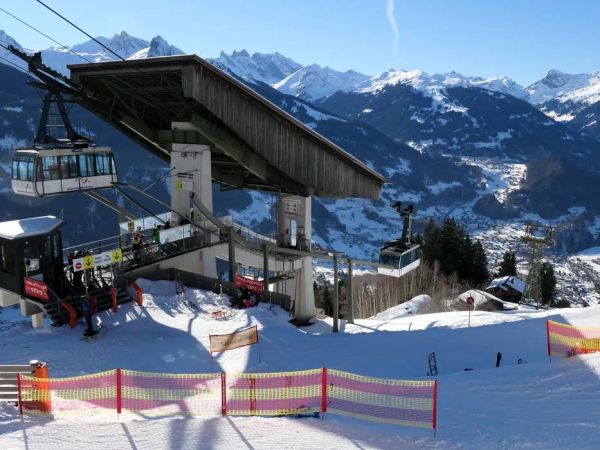
Silvretta Montafon Plans New 10-Person Gondola to Replace Ageing Hochjoch Lift
Silvretta Montafon wants to retire one of its most distinctive lifts. The plan: a single 10-person gondola running direct from Schruns to 1,870 metres, replacing both the two-stage Hochjoch cable car and the 1985 Kropfen chairlift in one move. Capacity jumps from 620 to 3,000 people an hour, and the mid-station transfer disappears entirely. The public hearing lands August 27, 2026 - construction hasn't been confirmed yet, though lift databases are pointing to 2027.
5 Aug 2026
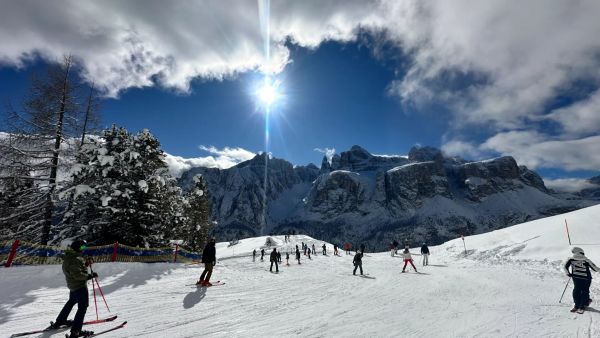
Ski Pass on Your Smartphone: Dolomiti Superski's Plans for the Next Three Years
Dolomiti Superski's general assembly has unanimously re-elected Andy Varallo for a third consecutive term, running through 2029. Alongside the leadership renewal comes a bigger shift: a Smartpass that puts your ski pass on your smartphone, more AI in guest services, and an expanded Dolomiti Supersummer program. The 46-year-old Alta Badia cable car entrepreneur says the region's marketing is moving beyond skiing alone, toward positioning the Dolomites as a year-round destination.
4 Aug 2026