Utah, Usa
Brian Head
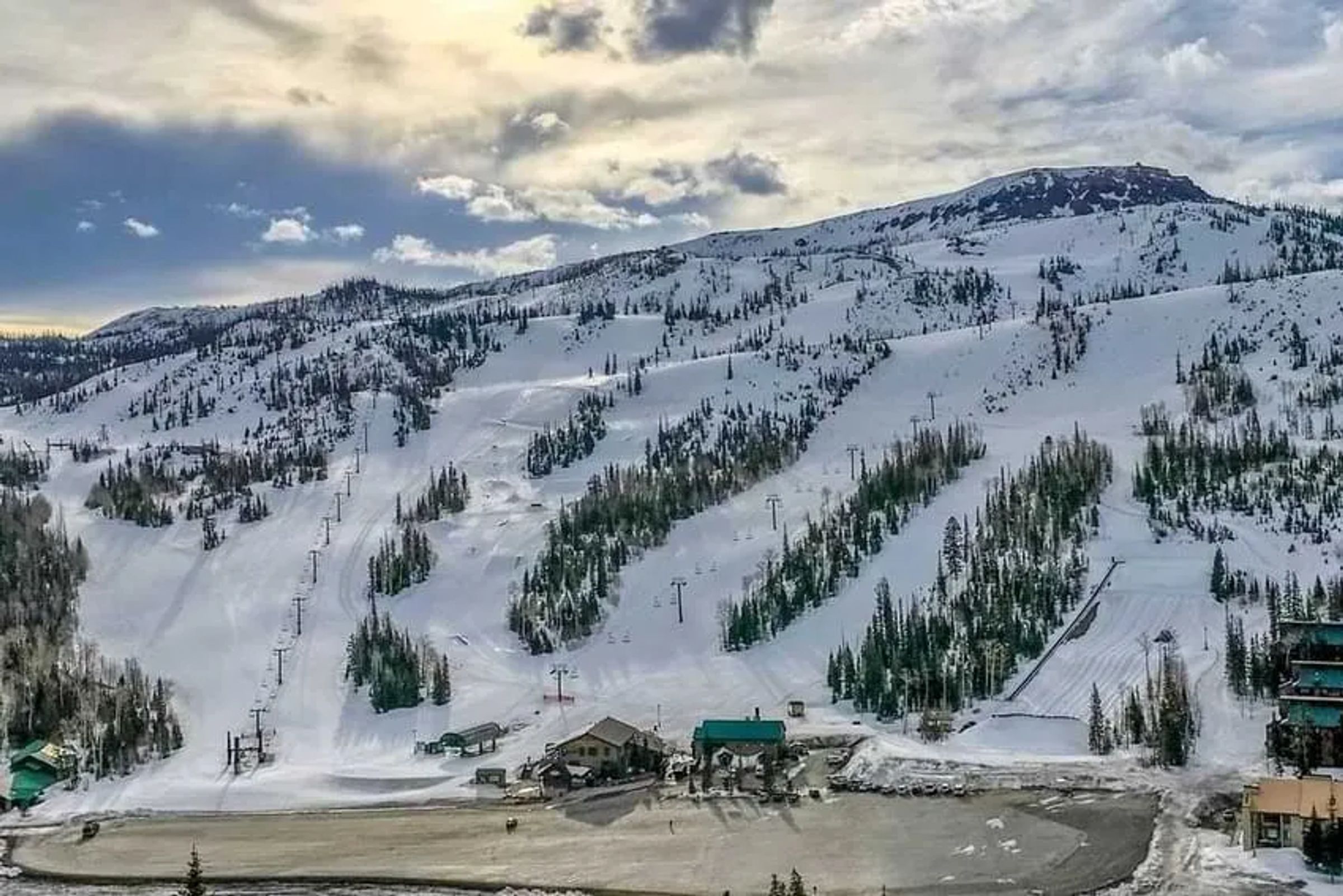
Brian Head: 650 acres, 71 runs, 9.1m annual snowfall. Utah's highest base elevation resort 3 hours from Las Vegas.
Season 2025 - 2026
Opens
7 Nov 2025
Closes
26 Apr 2026
Days open
170
Annual snow
29ft
The Overview
Michael Fulton
Melbourne-based skier and snowboarder with 50+ resorts across 5 continents. Specialises in Australian resorts and international resort comparisons.
Brian Head operates across 650 acres with 71 runs and a vertical drop of 402 metres, spanning elevations from 2,926 to 3,343 metres. The resort holds Utah's highest base elevation at 2,926 metres and receives 9.1 metres of annual snowfall. Children aged 12 and under ski free, whilst lift tickets start from $19 on select dates through dynamic pricing.
Terrain splits 30% beginner, 35% intermediate, 32% advanced and 3% expert across two interconnected peaks, Navajo and Brian Head. Navajo Peak serves beginners and intermediates with gentle groomers accessed by the Navajo Express quad, whilst Brian Head Peak delivers steeper terrain off lifts including Roulette, The Dunes and Giant Steps Express. A ski bridge crosses Highway 143 to link the two areas. Runs like Engens and Georg's Rock provide challenge for confident skiers, though the resort suits families and progressing intermediates more than experts seeking steep terrain.
The base elevation creates cold, dry conditions that preserve powder quality days after storms, despite lower snowfall than northern Utah resorts. Two base lodges serve the mountain: Giant Steps Lodge on the main peak and Navajo Lodge on the learning zone. The Last Chair Saloon offers après atmosphere with live music most Saturdays during season. Uncrowded slopes define the Brian Head experience outside holiday periods, with minimal lift queues and fresh tracks available well after snowfalls.
Mountain Capital Partners acquired the resort in 2019. Power Pass season passes starting at $749 grant access to nine additional resorts across the Mountain Capital Partners network, including Nordic Valley and Lee Canyon. The 2025-26 season runs 7 November to 26 April. Brian Head appeals to families seeking affordable skiing, Las Vegas weekenders, and intermediates prioritising value and space over extreme terrain.
1,368ft
Vertical
71
Runs
650 acres
Skiable
29ft
Annual snow
The Terrain
71 runs across 650 acres skiable
Brian Head spreads 71 runs across 650 acres skiable of terrain. It leans intermediate at 35%, with 21 beginner runs to find your feet and 25 advanced or expert runs when you want to push.
Terrain split
71
runs
71 runs across 4 grades
Beginner21 runs · 30%
Intermediate25 runs · 35%
Advanced23 runs · 32%
Expert2 runs · 3%
Time it right
When to visit Brian Head
The 2025-26 season operates 7 November 2025 through 26 April 2026. Brian Head typically runs mid-November to mid-April, with the 2024-25 season achieving 181 operational days. Operating hours are 10am-4pm Monday-Friday and 9:30am-4:30pm weekends and holidays. Night skiing runs Friday-Saturday 4pm-9pm on the Blackfoot lift, expanding to seven days weekly during peak periods.
The resort averages 9.1 metres annual snowfall, with the 2,926-metre base elevation delivering cold, dry powder. Snowmaking covers 170 acres, concentrated on Navajo Mountain and key runs. February averages the heaviest snowfall with 1.35 metres, whilst December and January each deliver approximately 1.1 metres. Storms depositing over 12 centimetres occur 27 times annually on average. The high elevation preserves snow quality better than lower resorts, maintaining coverage into late April during strong seasons.
January and February offer peak powder conditions, though the uncrowded nature means untracked snow lingers days after storms. March delivers spring skiing with warmer temperatures and long sunny days. Weekday visits from December through March provide the best value and emptiest slopes. Holiday periods see increased traffic from Las Vegas and Southern California, particularly Christmas through New Year and Presidents Day weekend.
The resort hosts monthly Star Parties with Cedar Breaks National Monument rangers providing stargazing sessions with telescopes at Navajo Lodge. Summer operations run weekends mid-June through mid-October, offering chairlift-accessed mountain biking, disc golf, archery and tubing. Events include Fourth of July celebrations, classic rock festivals and car shows. Two terrain parks and tubing hills operate during winter, with tubing requiring advance reservations by calling 435-677-2035.
Season 2025 - 2026
7 Nov 2025
Opens
26 Apr 2026
Closes
170
Days open
29 ft
Annual snow
Getting there
Getting to Brian Head, and where to stay
Brian Head sits in the Dixie National Forest in southern Utah's Markagunt Plateau at 2,926 metres base elevation. The resort occupies a high desert mesa surrounded by red rock formations, pine forests and distant views toward Cedar Breaks National Monument. Utah Highway 143 climbs steeply through the small town of Brian Head, population 120, which spreads along the access road between the two base areas. Cedar Breaks National Monument lies 8 kilometres south, whilst red rock hoodoos visible from upper lifts create scenery unlike typical alpine resorts.
Cedar City sits 47 kilometres southwest via Highway 143, a 40-minute drive descending 1,220 vertical metres through switchbacks. The town offers additional lodging, dining and services 29 miles from the slopes. Parowan, 23 kilometres west on Interstate 15, provides the highway exit for mountain access. Bryce Canyon National Park lies 98 kilometres east (90 minutes), Zion National Park 117 kilometres southwest (90 minutes) and St George 135 kilometres southwest (90 minutes). The location enables combined ski and national park itineraries during winter when crowds thin.
Interstate 15 provides primary access, with Exit 75 at Parowan connecting to Highway 143 for the final 23-kilometre ascent. From Las Vegas, the drive runs 325 kilometres northeast (3 hours) via I-15. Salt Lake City sits 395 kilometres north (3.5 to 4 hours), also via I-15. The steep Highway 143 approach requires winter driving preparation; four-wheel drive or traction devices become mandatory during storms. Road conditions via UDOT should be checked before departure as the climb gains over 1,200 metres elevation.
Las Vegas Harry Reid International Airport lies 340 kilometres southwest (3 hours driving), offering the most flight options. Salt Lake City International Airport sits 403 kilometres north (4 hours). Cedar City Regional Airport, 53 kilometres away (35-45 minutes), provides limited Delta Connection service primarily linking Salt Lake City. St George Regional Airport, 129 kilometres distant (90 minutes), serves flights from Denver, Phoenix, Dallas-Fort Worth and Salt Lake City. The St George Shuttle and Brian Head Express Shuttle operate weekend service from Cedar City to the resort, whilst rental cars suit visitors combining skiing with regional exploration.
Where to stay
Search all stays →Hotels and lodges near Brian Head, powered by Stay22.
Good to know
Frequently asked
When is Brian Head's ski season?
Brian Head's season typically runs from November 7 to April 26, roughly 170 days, weather and conditions permitting.
How much skiable terrain does Brian Head have?
Brian Head has about 650 acres skiable across 71 runs.
How many lifts does Brian Head have?
Brian Head operates 10 lifts in total.
How much snow does Brian Head get?
Brian Head averages around 350 inches (29.2 feet) of snowfall per season.
Where can I buy Brian Head lift tickets?
Lift tickets for Brian Head can be purchased directly from the resort online, or in person at the ticket office. See the full pricing breakdown on the lift tickets page.
Latest News
From the SnowStash desk
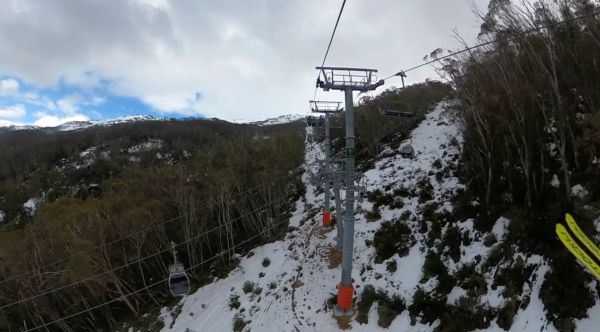
Thredbo to Replace Ageing Gunbarrel Quad With New Six-Seat Chairlift for 2028
Thredbo Alpine Resort has confirmed plans to replace its 37-year-old Gunbarrel quad chairlift with a new six-seat Doppelmayr D-Line, targeting winter 2028. The AUD 35 million project will keep travel time roughly the same but lift capacity from 2,800 to 3,000 skiers per hour. It's part of a broader investment push that also includes doubled snowmaking capacity at Friday Flat for 2027, with the ageing Kosciuszko Express now flagged as the resort's next major lift replacement after Gunbarrel.
31 Aug 2026
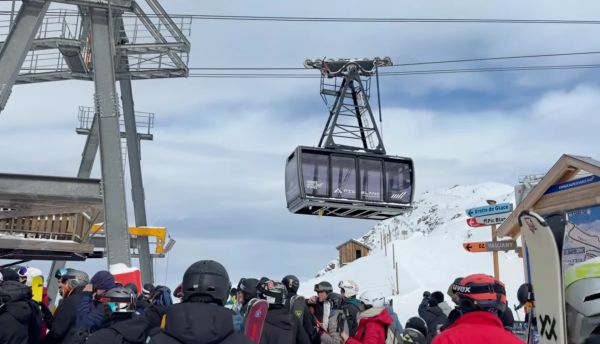
Aerial Tram Collides With Crane at Alpe d'Huez: 23 Injured
An aerial tram carrying around fifty passengers struck the boom of a construction crane on the route to Pic Blanc at Alpe d'Huez on Wednesday morning, injuring 23 people, three seriously. The cabin tipped on impact before the operator reversed it to right the car. Most of the injured were treated on site, with five taken to hospital in Grenoble, including a pregnant woman assessed as a precaution.
28 Aug 2026
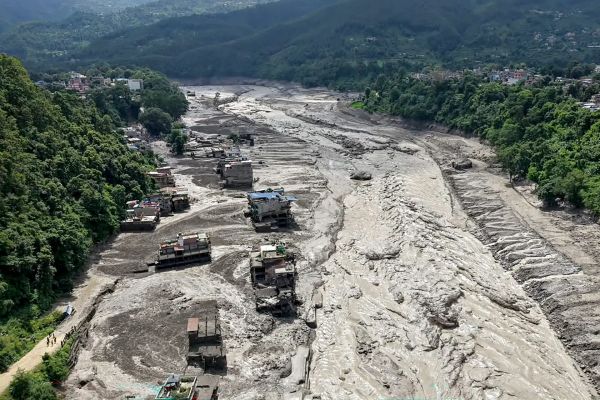
Why Glaciers Are Collapsing - And What Happens When They Do
A deadly flood on the Nepal-China border, a decade-old tragedy on Italy's Marmolada, and an unstable glacier right now above a village near Zermatt - three very different mountain ranges, the same underlying story. Warming ice is destabilising terrain that was considered settled for generations, and the results range from catastrophic floods to slow-motion monitoring situations that could go either way.
27 Aug 2026
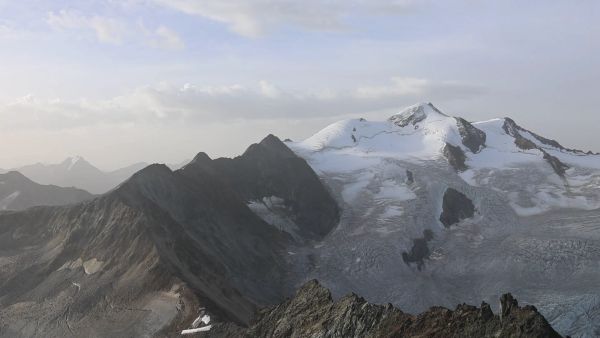
Pitztal Glacier Set to Reopen for the 2026/27 Ski Season on 26 September
Tyrol's highest ski area is gearing up to open a full month ahead of most of the Alps. The Pitztal Glacier is scheduled to start its 2026/27 season on Saturday 26 September, running through to 2 May 2027, with the lower-altitude Rifflsee area following in December. High-altitude terrain up to 3,440 metres gives the glacier a head start on snow, though as always, the actual opening extent will depend on how September's weather plays out. Early online ski pass bookings can save up to 30%.
26 Aug 2026
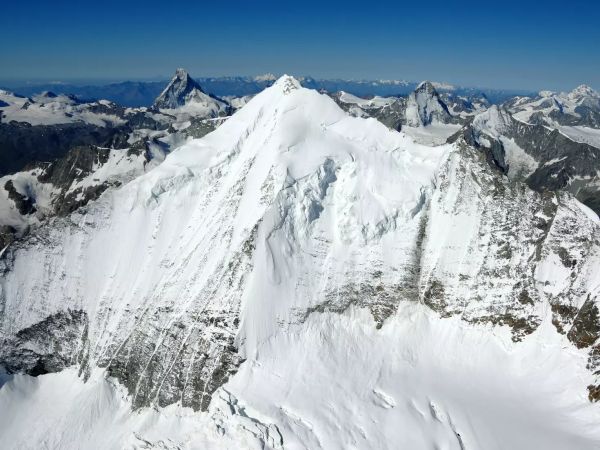
Unstable Glacier Above Randa Puts Zermatt-Area Village on Alert
A hanging glacier above the Swiss village of Randa, just south of Zermatt, has been shedding large chunks of ice for weeks, with authorities warning more break-offs are likely. A danger zone has been closed off since June, though officials say the village's 479 residents aren't at risk. It's a familiar pattern for this glacier - it's done this before, in 1819, 1972 and 1973 - but a reminder of how closely Alpine authorities now watch terrain once considered stable.
26 Aug 2026
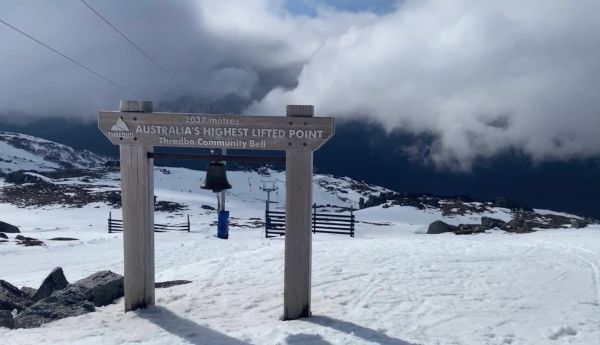
Thredbo Is 'On the Table' as EVT Reviews Its Whole Business
Thredbo is officially 'on the table.' EVT Limited, owner of Australia's most decorated ski resort, has hired Rothschild & Co to review its entire corporate structure - and confirmed Thredbo isn't off limits, even as it books a stronger year of earnings. The resort's own valuation has nearly halved after a brutal 2026 season, and speculation is already running toward Vail Resorts, Alterra, or a New Zealand operator picking it up. Here's what EVT actually said, and who could buy it.
25 Aug 2026
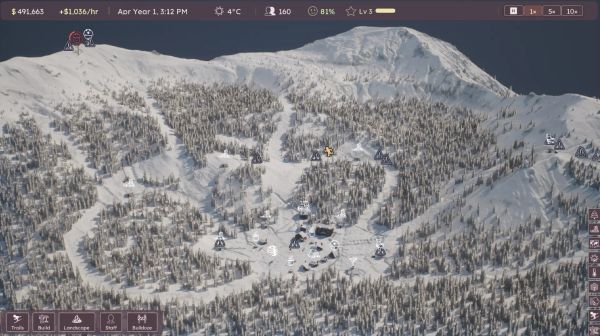
Ski-E-O! Is the Ski Resort Tycoon Game We Didn't Know We Needed
I'm not a gamer. I'm a skier and snowboarder who happens to have a laptop. So when a ski resort management game called Ski-E-O! landed on Steam, I wasn't expecting to lose an afternoon to it - but here we are. Real mountain terrain, a full weather system, storms that roll in and wreck your snow base, avalanche danger, and enough depth to make RollerCoaster Tycoon feel simple by comparison. Early access lands in November. Here's what a few hours in the free demo actually looks like.
23 Aug 2026
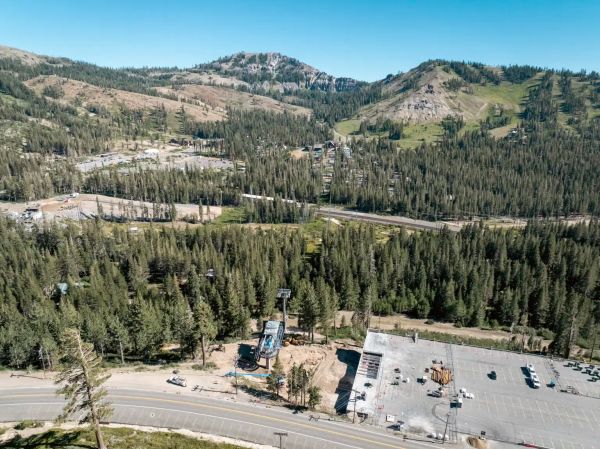
Sugar Bowl, California, Rebuilds Its Historic Village Gondola
The rumours are true: Sugar Bowl is tearing out its Emerald gondola, in place since 1983, and replacing it with a new 8-person Doppelmayr system - nearly doubling uphill capacity to 1,800 people an hour. It's the fourth generation of a gondola line that dates back to 1953, when Sugar Bowl became the first resort on the West Coast to run one at all, and it's just one piece of a $100 million overhaul touching lodges, parking and snowmaking. Here's what's changing, and what's staying the same.
23 Aug 2026