The Overview
Michael Fulton
Melbourne-based skier and snowboarder with 50+ resorts across 5 continents. Specialises in Australian resorts and international resort comparisons.
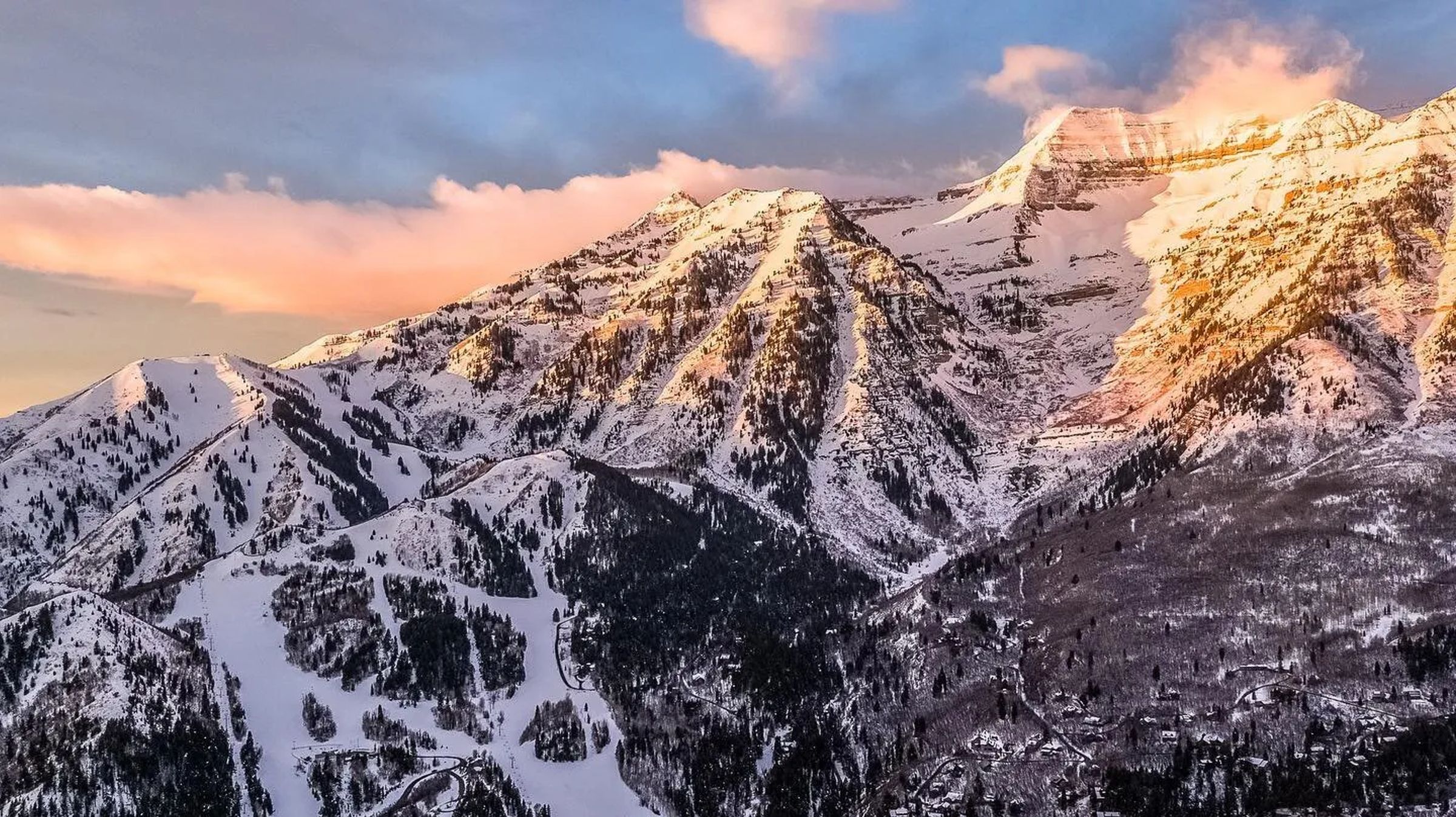
Sundance spans 550 acres on the northeast slope of Mount Timpanogos with a vertical drop of 2,150 feet from the 8,250-foot summit to the 6,100-foot base. The resort operates 60 marked runs across terrain that includes 35% beginner, 45% intermediate and 20% advanced trails, complemented by 300 inches of average annual snowfall. Robert Redford acquired the property in 1969 and renamed it after his Butch Cassidy character, transforming the former Timp Haven into an arts-focused mountain community that remains 70% protected through conservation easements.
Bishop's Bowl anchors the advanced terrain with steep ridges and gullies accessed from the Arrowhead triple chair, whilst intermediate runs flow through gladed terrain off Ray's quad chair. The Flathead triple services tight tree runs and natural chutes, including named lines such as Drop Out and Top Gun. Runs like Navajo Cat Track and Sunnyside provide green terrain for beginners, and the resort maintains three terrain parks with 10 rails and progression features distributed across ability levels.
Bearclaw Cabin sits at 8,250 feet as Utah's only mountaintop restaurant, offering 360-degree views of Heber Valley, Utah Valley and Mount Timpanogos. The 63-room Inn at Sundance Mountain Resort opened in January 2026 as the resort's first ski-in ski-out hotel. Daily operations accommodate roughly 500 skiers on uncrowded runs, with a village atmosphere centred around art studios, conservation education and intimate dining rather than high-volume infrastructure.
Sundance operates independently without Epic or Ikon affiliation, pricing adult day tickets from USD 89 to USD 129 and offering season passes at USD 899. Night skiing runs Monday, Wednesday, Friday and Saturday from 4.30pm to 9pm on front mountain terrain. The 2025-26 season spans 4 December to 28 March, with expansion plans including the Electric Horseman Express high-speed quad and 165 additional acres scheduled for the 2026-27 winter season.
2,149ft
Vertical
60
Runs
550 acres
Skiable
25ft
Annual snow
The Terrain
60 runs across 550 acres skiable
Sundance spreads 60 runs across 550 acres skiable of terrain. It leans intermediate at 45%, with 21 beginner runs to find your feet and 12 advanced or expert runs when you want to push.
Terrain split
60
runs
60 runs across 4 grades
Beginner21 runs · 35%
Intermediate27 runs · 45%
Advanced11 runs · 19%
Expert1 run · 1%
Time it right
When to visit Sundance
The 2025-26 winter season runs from 4 December 2025 to 28 March 2026, spanning 16 weeks of lift-served skiing. Sundance typically opens in early December and closes in late March, with season length determined by snowpack and temperature rather than fixed calendar dates. The resort's 6,100-foot base elevation sits lower than Little Cottonwood or Big Cottonwood competitors, making early and late season conditions more temperature-dependent.
Sundance receives an average of 300 inches of snowfall annually, with the majority falling between January and March. The northeast-facing aspect and elevation range from 6,100 to 8,250 feet create microclimates where upper mountain snow quality often exceeds base conditions. Snowmaking covers key corridors on the front mountain and night skiing terrain, supplementing natural accumulation during lean periods and extending coverage into March.
January and February deliver the most consistent powder, with February historically offering the deepest base depths and coldest temperatures. March brings spring corn cycles on south-facing terrain whilst north-facing glades retain cold snow into early April. Weekday visits avoid weekend crowds, and night skiing on Monday, Wednesday, Friday and Saturday from 4.30pm to 9pm provides an alternative to peak daytime traffic.
The resort hosts art workshops year-round at the on-mountain studio, with winter programming including live music at the Owl Bar on Friday and Saturday nights. The Sundance Film Festival connection brings January cultural events, though the festival itself relocated to Boulder, Colorado in 2027. Summer operations include mountain biking on 25 miles of lift-served trails, zipline tours with 2,100 feet of vertical drop, and Nordic skiing on 25 kilometres of groomed trails through aspen groves.
Season 2025 - 2026
4 Dec 2025
Opens
28 Mar 2026
Closes
114
Days open
25 ft
Annual snow
Getting there
Getting to Sundance, and where to stay
Sundance sits in the North Fork of Provo Canyon on the northeast flank of 11,753-foot Mount Timpanogos in Utah's Wasatch Range. The base village rests at 6,100 feet elevation, surrounded by 5,000 acres of mixed private land and conservation easements within the Uinta National Forest. Provo Canyon carves between Mount Timpanogos to the north and Mount Cascade to the south, with U.S. Route 189 running 24 miles from Orem through the canyon to Heber Valley.
Provo lies 13 miles southwest of the resort as the nearest city, offering lodging, dining and services for visitors not staying on-mountain. Orem sits at the canyon mouth 20 minutes from the base, whilst Park City is 40 minutes northeast through scenic Heber Valley. Salt Lake City sits 50 miles northwest, providing urban amenities and international airport access. The resort village includes the new Inn at Sundance, mountain cottages, the Tree Room restaurant, Owl Bar, Foundry Grill and art studio facilities.
Access follows Highway 189 south from Salt Lake City via Interstate 15, then east through Provo Canyon on the designated scenic byway. The Alpine Loop Scenic Byway (Highway 92) intersects near the resort, climbing to 8,000 feet through American Fork Canyon before closing in winter. Drive time from downtown Salt Lake City averages 55 minutes covering 50 miles, whilst Provo Airport sits 30 minutes away. Deer Creek Reservoir marks the canyon's eastern terminus where Highway 189 meets Heber Valley.
Salt Lake City International Airport serves as the primary gateway 55 miles northwest, with rental cars, shuttles and public transport available for the one-hour transfer. Provo Municipal Airport offers limited commercial service 20 miles from the resort, including Breeze Airways flights from California. UTA ski bus provides seasonal public transport from the Orem Palisades Park and Ride on select Saturdays and holidays, with complimentary shuttles departing Mount Timpanogos Park at the canyon base. Private shuttle operators including Canyon Transportation run on-demand service from Salt Lake City Airport for USD 250-400, with no direct rail connection to the resort.
Where to stay
Search all stays →Hotels and lodges near Sundance, powered by Stay22.
Latest News
From the SnowStash desk
FIS Weighs Holding World Championships in Almost Every Winter, Starting 2032
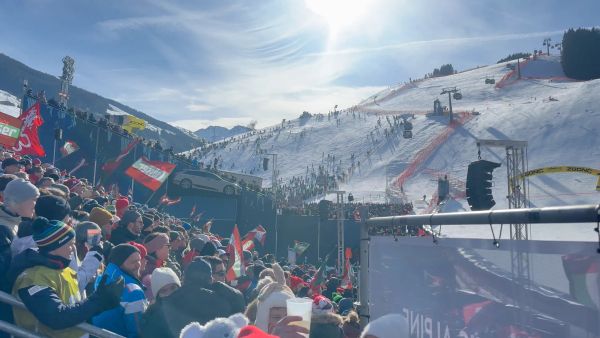
The International Ski and Snowboard Federation is looking at a major shake-up to its title events calendar. From 2032, World Championships could run not just in odd-numbered years but in every non-Olympic winter too, effectively putting a global title event on the calendar almost every season. The FIS Council has approved the concept following a feasibility study, though an accelerated rollout as early as 2028 is also under consideration.
4 Sept 2026
Mount Buller Becomes Latest Australian Resort to Call Time Early on 2026
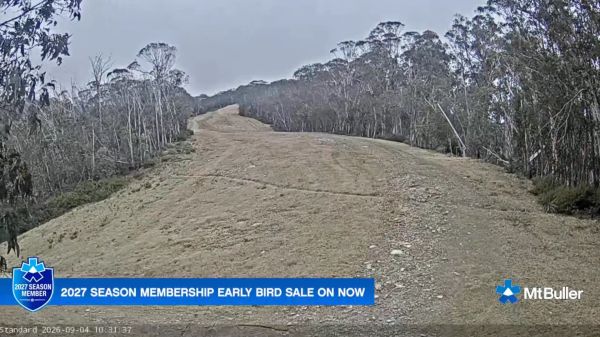
Mount Buller closes out its 2026 season this Sunday, joining Falls Creek, Hotham and Charlotte Pass in a cluster of closures landing almost simultaneously and roughly a month ahead of schedule. The culprit is stark: Spencers Creek's benchmark snow depth hit 31.2cm on 3 September, just 18% of the 73-year average and an all-time low for this point in the season. Six of Victoria and NSW's best-known resorts will have shut their lifts early within a span of about two and a half weeks.
4 Sept 2026
Tremblant to Add New Timber Summit Ski Sector for 2027/28 Season
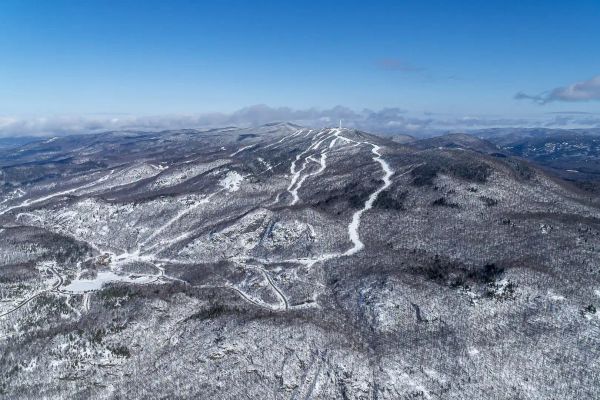
Tremblant has confirmed a major expansion of its Quebec ski area, with a new Timber Summit sector adding 62 acres of terrain, eight trails and a high-speed quad chairlift for winter 2027/28. It's part of a CAD 42.5 million investment that also includes a new beginner learning zone at Versant Soleil opening this coming season. The project has grown considerably since it was first announced back in 2020, when it carried a far smaller budget and an opening date that never eventuated.
2 Sept 2026
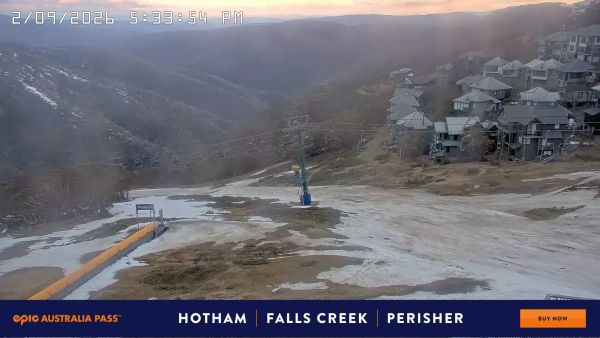
Mount Hotham to Close for the 2026 Season on Sunday, September 6
We knew when the Bird Bath Pond Skim showed up on Hotham's Instagram that the season was on its way out. It's been a rough one - I only managed two days on snow all year, at Falls Creek - and now Baw Baw, Selwyn and Hotham have all called it, possibly the worst Australian season I've seen in a decade. Hotham's last day of lift operations is Sunday, 6 September, with a Retro Day, Father's Day après and closing sales before the lifts stop turning for good.
1 Sept 2026
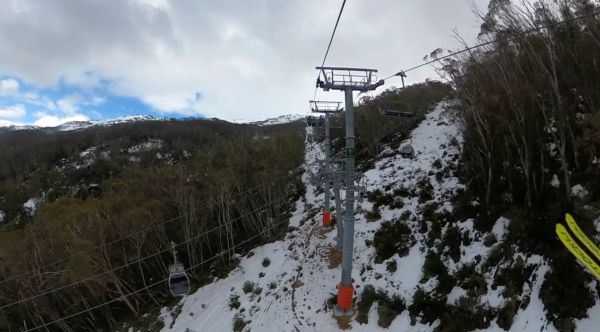
Thredbo to Replace Ageing Gunbarrel Quad With New Six-Seat Chairlift for 2028
Thredbo Alpine Resort has confirmed plans to replace its 37-year-old Gunbarrel quad chairlift with a new six-seat Doppelmayr D-Line, targeting winter 2028. The AUD 35 million project will keep travel time roughly the same but lift capacity from 2,800 to 3,000 skiers per hour. It's part of a broader investment push that also includes doubled snowmaking capacity at Friday Flat for 2027, with the ageing Kosciuszko Express now flagged as the resort's next major lift replacement after Gunbarrel.
31 Aug 2026
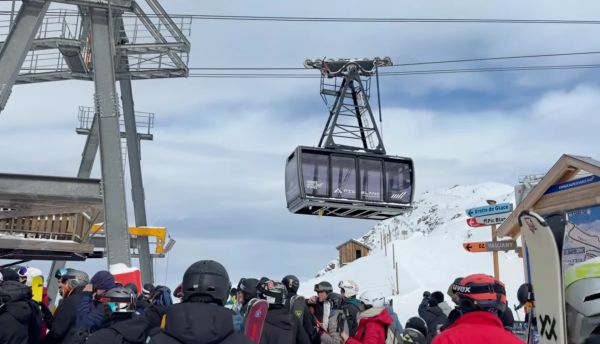
Aerial Tram Collides With Crane at Alpe d'Huez: 23 Injured
An aerial tram carrying around fifty passengers struck the boom of a construction crane on the route to Pic Blanc at Alpe d'Huez on Wednesday morning, injuring 23 people, three seriously. The cabin tipped on impact before the operator reversed it to right the car. Most of the injured were treated on site, with five taken to hospital in Grenoble, including a pregnant woman assessed as a precaution.
28 Aug 2026
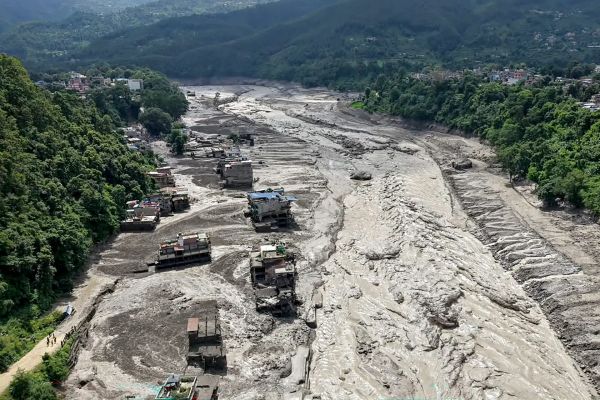
Why Glaciers Are Collapsing - And What Happens When They Do
A deadly flood on the Nepal-China border, a decade-old tragedy on Italy's Marmolada, and an unstable glacier right now above a village near Zermatt - three very different mountain ranges, the same underlying story. Warming ice is destabilising terrain that was considered settled for generations, and the results range from catastrophic floods to slow-motion monitoring situations that could go either way.
27 Aug 2026
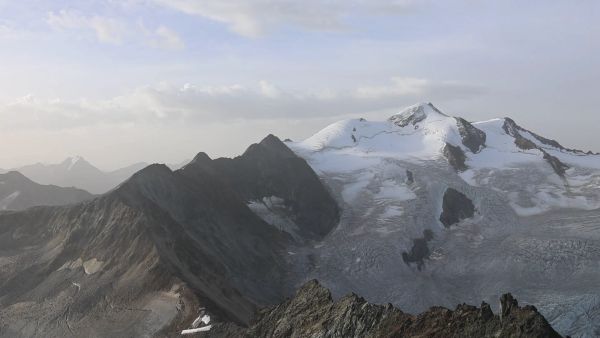
Pitztal Glacier Set to Reopen for the 2026/27 Ski Season on 26 September
Tyrol's highest ski area is gearing up to open a full month ahead of most of the Alps. The Pitztal Glacier is scheduled to start its 2026/27 season on Saturday 26 September, running through to 2 May 2027, with the lower-altitude Rifflsee area following in December. High-altitude terrain up to 3,440 metres gives the glacier a head start on snow, though as always, the actual opening extent will depend on how September's weather plays out. Early online ski pass bookings can save up to 30%.
26 Aug 2026