
Hotham
Australia's highest alpine village at 1,750m with 320 hectares and 72 runs in Victoria's Alps. Epic Pass access, open June to October.
Season 2026
Opens
6 June 2026
Closes
6 Sept 2026
Days open
92
Annual snow
3m
The Overview
Michael Fulton
Melbourne-based skier and snowboarder with 50+ resorts across 5 continents. Specialises in Australian resorts and international resort comparisons.
Mt Hotham is Australia's only upside-down ski resort - the village sits at 1,750m along the Great Alpine Road ridge, with nearly all 72 runs flowing downhill away from it. Rather than riding a lift to start the day, skiers step out of their accommodation and drop straight in. This layout is a product of the mountain's ancient geology: a flat ridgeline at the top where the village and beginner terrain sit, steepening progressively as the runs fall into the gullies and valleys below. The village elevation of 1,750m makes Hotham Australia's highest alpine resort, second only to Charlotte Pass among all Australian ski villages.
The resort covers 320 hectares across 72 runs between 1,450m and 1,861m, with a terrain profile that weights heavily toward challenge - 40% intermediate, 25% advanced and 15% expert, leaving 20% for beginners. The Heavenly Valley chairlift serves the resort's most demanding terrain, including some of the steepest in-bounds runs in Australia, while the remote Orchard zone provides Hotham's best intermediate skiing and the Summit area gives beginners a high-elevation, uncrowded learning environment. The resort also holds Australia's only biathlon range, used for competition and training by elite athletes including national team members.
411m
Vertical
72
Runs
791 acres
Skiable
3m
Annual snow
Epic Pass
Pass
Watch
See Hotham in motion
The Terrain
72 runs across 791 acres skiable
Beginner terrain at Hotham breaks into two distinct zones, each offering something the rest of the Australian snow sports scene doesn't always deliver: real separation from faster traffic, and snow conditions reliable enough to keep learning terrain open for longer.
The Big D Experience
The standout is the Big D, a dedicated learning area that functions like a resort within the resort. Serviced by a single chair, it caters exclusively to beginners, creating a pressure-free environment where first-timers can focus on fundamentals without dodging confident intermediates or advanced riders.
What makes the Big D work isn't just the beginner-only policy - it's the psychological comfort that comes with it. At Buller, the main learning area can feel like Bourke Street at rush hour, and Falls Creek mixes beginners in with every skill level. Hotham's complete separation means your first days on snow happen in a supportive bubble where everyone around you is learning too.
The terrain itself is gentle and predictable, with enough length to practice linking turns without feeling rushed. The single chair means you'll get comfortable with loading and unloading quickly - a skill that carries over to the rest of the mountain. The Big D also runs night skiing during peak season, useful if you want smaller crowds or need to fit lessons around a work schedule.
Summit Area Advantages
Beyond the Big D, the summit area is the resort's secondary beginner zone, served by both the Summit Quad and Summit Poma. Its main advantage is elevation - at 1,750 metres, this beginner terrain holds some of the most reliable snow in Victoria. When the first storm system rolls through, the summit is often among the first to open and the last to close.
The remote location also means fewer crowds and a calmer learning environment than you'd find lower down. It bridges the gap between the Big D's protected bubble and the mountain's main intermediate zones, making it a good next step once you're ready for a slightly more open setting.
Natural Progression Design
Hotham's "upside" layout builds a natural progression pathway for developing riders. Master the Big D, explore the summit, and you'll have access to Sun Run - a long, cruisy intermediate off the Road Runner chair that makes an ideal stepping stone into the main mountain.
Sun Run's forgiving grade and consistent pitch make it good for practicing new skills over longer distances, and the Road Runner chair is easy to lap, letting you build confidence through repetition. That said, beginners should hold off on the central valleys below until they're completely comfortable on Road Runner - those systems are beautiful but can overwhelm developing riders fast.
Lessons and Ski School
Ski and snowboard lessons run out of both the Big D and summit areas, giving beginners access to instructors used to the specific challenges of this mountain. The separation of beginner terrain means lessons can focus purely on skill-building without mixed-ability traffic getting in the way.
That said, Hotham suits beginners looking to progress better than absolute first-timers. The Big D, while excellent, is smaller than the sprawling learning areas at Falls Creek, and families with beginners of varying ability will generally find more variety there. The drive itself is also a factor - snow chains are frequently required, and the winding mountain roads can rattle families on their first ski trip. Plan around clear-weather days, and factor in how a stressful drive might land with anyone already nervous about their first time on snow.
Where the Mountain Shines: Intermediate Terrain
With 40% of the mountain rated intermediate, this is where Hotham reveals its character. Progressing from beginner to advanced terrain here shows why the intermediate skiing and snowboarding ranks among Australia's most rewarding - if you know where to look.
The Australian Drift
The Australian Drift captures what's best about Hotham's intermediate terrain. This remote zone, served by its own T-bar, offers the kind of lapping experience that builds confidence and refines technique - challenging enough to push your skills, forgiving enough to experiment. Its isolation is part of the appeal: T-bar access naturally limits traffic to riders comfortable with that lift type, so it stays quieter than more accessible zones. T-bar technique takes practice, but mastering it opens up some of the best-groomed intermediate terrain on the mountain.
The Orchard
Once open, the Orchard is arguably the finest intermediate terrain in Australia. It takes commitment - multiple lift rides to reach - but the roughly 10 to 12 intermediate trails spread across two lifts reward the effort. The terrain flows through native snow gums for a distinctly Australian feel, with a pitch that's steep enough to challenge technique without tipping into intimidating. Morning visits are best; afternoon sun and traffic bring bumps and rougher conditions, and the remote location means you're committed to several runs before heading back.
Stepping Into Advanced Territory
For confident intermediates, the blue runs under the Heavenly chair are the next progression step - harder terrain with a taste of what advanced riding feels like. It's a different crowd dynamic here, so discipline matters: stick to the designated blues and resist the pull toward the surrounding advanced terrain until you're actually ready for it.
Central Valley Navigation
The valley system between the base of the Heavenly chair and the Village chair base has flat sections that require maintaining speed - a skill snowboarders in particular need to master. The upside is that most of this terrain runs off chairlifts rather than T-bars, so it's snowboarder-friendly once you've got the speed control down.
The Blue Ribbon Progression
No look at Hotham's intermediate terrain is complete without the Blue Ribbon chair - a local legend that adds excitement to every visit. Locals treat predicting its opening as a seasonal game, and when it does run, intermediate riders get access to some of Victoria's most vertical, best-pitched terrain: six blue runs with a challenging upper section easing into gentler terrain below. When it's open, the whole mountain feels more substantial.
Advanced and Expert Terrain
Around 25% of Hotham is advanced terrain, centred on the Heavenly Valley chair, which alone accesses 17 advanced trails spanning moguls, steeps, technical tree runs and natural halfpipes. The Blue Ribbon chair adds six more advanced trails when it's running. For expert riders, the remaining 15% is the largest collection of expert trails in Australia - the "Wall of Death" under the Village Chair and the gated "Extreme Zone" off the Gotcha chair are serious terrain that demand real respect and experience.
Terrain split
72
runs
72 runs across 4 grades
Beginner14 runs · 20%
Intermediate29 runs · 40%
Advanced18 runs · 25%
Expert11 runs · 15%
How it compares
Regional Context for Developing Riders
In the Victorian high country, the three major resorts serve different roles in rider development. Falls Creek excels for absolute beginners, with extensive, varied learning terrain and a family-friendly village. Mount Buller is convenient and accessible but struggles with crowding and variable snow quality. Mount Hotham sits at the top of the progression pyramid - it's where intermediate riders come to be challenged, and where beginners come to push past their first season.
That positioning makes it an excellent "second resort" for developing riders. Once you've mastered the basics at Falls Creek or navigated the crowds at Buller, Hotham offers the terrain variety and challenge that pushes intermediates toward advanced skills.
International Perspective on Learning
Weighing Hotham's beginner and intermediate terrain against resorts across Europe and North America, the picture is mixed. Overseas destinations often provide more diverse terrain and deeper resort amenities, but they come with meaningfully higher costs once international travel, accommodation and destination-resort pricing are factored in.
For Australian riders focused on skill development, overseas trips can offer more terrain variety and longer seasons - but the total spend often exceeds several visits to Australian resorts, and learning to navigate an unfamiliar lift system and layout eats into time that could go toward actual progression.
Hotham's advantage is its progression pathway design. The terrain guides riders from beginner to intermediate to advanced in a logical sequence that larger, more sprawling international resorts often lack simply because of their scale and complexity. That structure is what makes it particularly valuable for Australian riders focused on consistent, step-by-step improvement.
Value Proposition for Developing Riders
The cost-to-progression ratio here favours intermediates more than beginners. The Orchard and the rest of the intermediate network create real value for riders ready to be challenged. Beginners get excellent, purpose-built facilities but comparatively limited terrain variety, which makes Falls Creek the stronger value proposition for a first-ever visit.
The Epic Australia Pass changes the maths. At $999-$1,249 AUD depending on purchase timing, it pays for itself in five to six visits and includes Falls Creek access - which supports a natural progression path: learn at Falls Creek, develop at Hotham, and use both as your ability grows.
The Verdict
Michael Fulton
After 15 visits and countless runs across every skill level, Hotham earns its place as one of Australia's most rewarding resorts for intermediate riders and ambitious beginners. The unique "upside" layout, reliable snow and terrain variety create an experience that challenges and rewards developing riders in ways few other Australian resorts match.
Who Should Choose Hotham
Hotham works best for:
- Intermediate riders seeking variety and challenge in a setting that pushes skill development
- Ambitious beginners who want to progress beyond the basics in their first season
- Riders planning multiple visits who can justify the Epic Australia Pass investment
- Those seeking an authentic Australian alpine experience, with terrain that flows through native snow gums
When to Choose Elsewhere
Consider other options if you're:
- A complete first-timer who'd benefit from Falls Creek's more extensive beginner terrain
- Looking for a traditional, walkable ski village
- Planning only a single visit, where the high cost outweighs the terrain benefits
- Uncomfortable with challenging mountain driving conditions
The Progression Pathway
Hotham fits naturally into an Australian skiing and snowboarding progression: learn the fundamentals at Falls Creek, develop intermediate skills here, and use both resorts as your ability grows. The Epic Australia Pass makes that progression financially viable while giving you access to terrain matched to each stage.
Final Assessment
Hotham is Australia's most rewarding resort for intermediate riders, and its toughest for beginners ready to push past the basics. Reliable snow, distinctive terrain and a genuine progression pathway combine into an experience that keeps pushing riders toward their next skill level.
The mountain demands respect - from the access road to the terrain itself - but rewards it with some of the most varied and authentic skiing and snowboarding in the country. For developing riders ready to be challenged, it offers something few other Australian resorts can: terrain that grows with your ability.
Planning a visit? Late August or early September tends to offer the best balance of snow and weather. Start at the Big D and Summit if you're beginning, explore the Orchard and Australian Drift as an intermediate, and always check the Blue Ribbon chair status - when it's running, you're in for something special.
The drive up can be intimidating, but the terrain that awaits makes every switchback worthwhile. Hotham isn't just a ski resort - it's where Australian riders go to push their limits and find out what's possible on snow.
Time it right
When to visit Hotham
The 2026 season at Hotham runs from 6 June to 4 October, aligned with the Victorian alpine calendar. Annual snowfall averages 3 metres - the highest recorded precipitation of any Victorian resort over the past decade - and the village elevation of 1,750m ensures natural snow reliability from early in the season. Snowmaking covers 38 hectares of key terrain, providing early-season and shoulder-period coverage across the main runs off the village.
Peak conditions typically arrive in late July and August, with early September offering a well-regarded combination of established snow base, softer spring surface and reduced crowds. The mountain's position on the Great Alpine Road ridge, with runs facing multiple aspects, means there is usually terrain in good condition regardless of which direction the weather is coming from. Hotham is part of the Epic Pass network, which also covers Perisher and Falls Creek under the Epic Australia arrangement.
Season 2026
6 June 2026
Opens
6 Sept 2026
Closes
92
Days open
3 m
Annual snow
Getting there
Getting to Hotham, and where to stay
Seasonal Timing and Conditions
Hotham's high elevation means a longer season with more reliable snow than lower resorts. Peak season runs late July through August, with early September often bringing the best combination of established base and improving weather.
For beginner and intermediate riders, the sweet spot is often late August into early September. The base is established, crowds are thinning, and spring conditions bring softer, more forgiving snow that's ideal for building confidence.
Daily Strategy for Success
Success here takes some strategic thinking, especially for developing riders. Start early to catch the best conditions, particularly if you're heading to the Orchard - this remote intermediate terrain shows its best face in the morning before sun and traffic take their toll.
For beginners, the Big D and Summit areas hold consistent conditions throughout the day, making them a good bet for afternoon sessions once other parts of the mountain get tracked out. The Blue Ribbon chair's unpredictable opening schedule means it's worth checking conditions reports and staying flexible with your plans.
Village and Logistics Reality Check
Hotham's village isn't a traditional walkable ski town. Accommodation is spread along the mountain roads, connected by shuttle buses that run regularly but need a bit of planning around. This layout suits the "upside" operation well - park at the top and drop straight into runs - but it means getting between lodging, dining and lift access takes more effort than at other resorts.
For families with beginners, the bus system can be tiring after a long day on the mountain. Many locals solve this by staying at Dinner Plain instead - a nearby alpine village with easier access and a more traditional mountain-town feel, plus activities for non-skiers.
Budget Considerations
A trip to Hotham is a real investment - daily adult lift tickets range from $186 to $233 AUD depending on the date. The Epic Australia Pass makes financial sense for anyone planning multiple visits, particularly since it also covers Falls Creek, creating a natural progression path from Falls Creek's beginner-friendly terrain to Hotham's intermediate challenge.
Given the cost of Australian skiing, getting value means planning around it: save your lift-ticket days for good weather when the whole mountain is accessible, and consider the Epic Pass if skiing or snowboarding is going to be a regular part of your season.
Mt Hotham sits 226km north-east of Melbourne in Victoria's Alpine National Park, accessed via the Great Alpine Road - one of Australia's most scenic alpine drives. The resort is approximately 4.5 hours from Melbourne by car, 31km south of the town of Bright, and 11km west of Dinner Plain, a smaller alpine village that provides an alternative accommodation base with a quieter atmosphere. The town of Harrietville, at the foot of the mountain, is the last services stop before the climb.
Snow chains are a legal requirement for all vehicles entering the resort during the declared snow season and must be fitted when directed - ladder chains, spider chains and snow socks are not permitted. Mt Hotham Airport, located 20 minutes from the resort, operates seasonal regional services, with Albury Airport offering a 2.5-hour road transfer as an alternative gateway. From Melbourne, coach transfers operate throughout the season via the Great Alpine Road route.
Where to stay
Search all stays →Hotels and lodges near Hotham, powered by Stay22.
Latest News
From the SnowStash desk
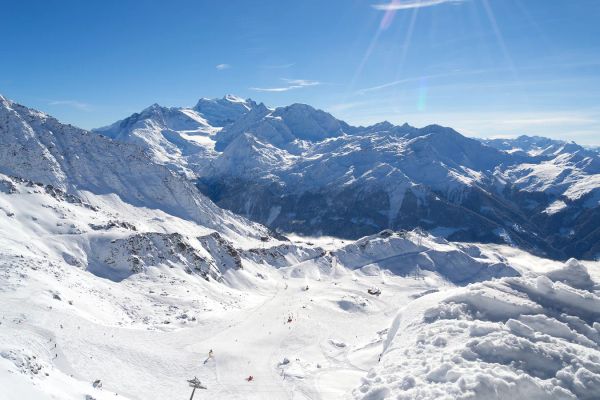
Alps Snow Forecast: Up to 64 cm Headed for the High Glaciers as the Snow Line Drops
The Alps are about to swap mild, sunny October weather for something far more wintry. A cold front arrives Tuesday, and SnowStash forecasts have Monterosa Ski out in front with 64 cm over 14 days, ahead of Blatten Belalp (55 cm) and Verbier (43 cm). The snow line should fall below 2000 metres by Wednesday night, and glaciers across Switzerland, Italy and Austria are in line for the best of it. The wind will have a say too.
20 Oct 2026

Four Dead After Avalanche Near Ski Portillo in Chile
A large avalanche struck near Laguna del Inca adjacent to Ski Portillo on Saturday afternoon, killing four people and injuring four others. The group were day visitors mountaineering in the backcountry after reportedly being warned about elevated avalanche risk by resort staff.
18 Oct 2026

Europe Ski Resorts Open Now: What Is Skiable in Mid-October 2026
Europe’s ski season is open, technically. After a record-warm summer, glaciers in Austria, Switzerland and Italy are running a few pistes apiece, Sölden, Stubai and Kitzsteinhorn started late, Titlis has pushed back to 24 October, and Zermatt reopens a few lifts on 14 October after more than two months shut. Finland’s Levi and Ruka are skiing on stored snow. Here is what is open, and what you actually get at each.
14 Oct 2026

Zermatt Plans World Cup Downhill Return on the Gornergrat for 2028
Zermatt is having another crack at a World Cup downhill, and this time nobody has to cross a border. Around 13 million Swiss francs is going into rebuilding the Gornergrat piste, including a jump fed by a roughly 300-metre in-run across the roof of the Gornergrat Railway gallery, with the Matterhorn lined up behind it for the TV cameras. First men’s race is pencilled in for March 2028, pending FIS homologation.
14 Oct 2026

Mt. Rose Begins Snowmaking for the 2026-27 Season at Lake Tahoe
Lake Tahoe’s highest base elevation is paying off early: Mt. Rose has started making snow for 2026-27 after the first flurries and a cold snap. The Nevada resort is backing it with nearly US$2 million in upgrades, including a replacement snowmaking main line, a new PistenBully groomer and restraint bars on every lift. Opening day is yet to be confirmed, though Heavenly and Northstar are already eyeing 20 November.
13 Oct 2026

Utah Ski Resorts 2026-27: What’s New at Alta, Deer Valley, Powder Mountain and More
Utah is still building flat out. For 2026-27, Powder Mountain opens a steep new Skytrac chair into more than 1,000 acres of advanced terrain, Deer Valley adds 200 acres on Hail Peak, Sundance gets a new quad and Park City adds a gondola from its new parking structure. Snowmaking is expanding almost everywhere, Eagle Point stays closed after the Cottonwood Fire, and the 2034 Games are setting the pace. Here’s what’s new, resort by resort.
13 Oct 2026

Mt Hutt Invests NZ$12 Million in Base Area, Tripling Its Sun Deck
Mt Hutt is getting busier, and its base lodge is about to catch up. NZ$12 million goes into a heated sun deck roughly three times the current size (430 m² to 1,300 m²), plus a new toilet block, heated steps down to snow level, extra storage and a new food and beverage outlet. Building starts after the 2026 season, with everything due for winter 2027.
11 Oct 2026

Vermont Ski Resort Opening Dates 2026-27: Few Dates Set, Killington Waits on the Cold
Vermont's season is slow to take shape. Stratton is tentatively targeting 18 November and Sugarbush 21 November, while Pico has Friday 11 December on the calendar. Killington never sets a date and opens when the snowmaking allows, and Vail Resorts has yet to name days for Stowe, Okemo and Mount Snow. The forecasts disagree about snow, and the main El Niño worry for the Green Mountains is warmth.
9 Oct 2026